அலைகளும் அவற்றின் பயன்பாடுகளும்
ஒரு கல்லைக் குளத்தில் எறிந்தால், நீரின் மேல் வட்ட வடிவ அலைகள் சுற்றிலும் பரவுவதைப் பார்க்கிறோம். உங்கள் காதில் ஓசை கேட்பதும், வானொலியில் பாட்டு ஒலிப்பதும், சூரியனிலிருந்து ஒளி பூமியை அடைவதும் எல்லாமே அலைகளின் செயல்தான். அலை என்பது ஒரு இடத்திலிருந்து மற்றொரு இடத்துக்குச் சக்தியை எடுத்துச் செல்லும், மீண்டும் மீண்டும் நிகழும் சீரான இடப்பெயர்வு ஆகும். இங்கே முக்கியமான ஒன்றை நினைவில் வைத்துக்கொள்ளுங்கள்: அலை சக்தியைக் கடத்துகிறது, ஆனால் பொருளை எடுத்துச் செல்வதில்லை! இந்த அலகில் அலையின் வகைகளையும் (பொறிமுறை அலை, மின்காந்த அலை), அலைகளின் பண்புகளையும் (Q, λ, f, v), அவற்றின் பயன்பாடுகளையும் (வானொலி, X-கதிர், நுண்ணலை, ஒலி), ஒலியின் இயல்பையும் கற்போம்.

1. அலை: அடிப்படை இயல்பு
அலை என்பது சீரான இடப்பெயர்ச்சி. ஒரு புள்ளியில் ஒரு குழப்பம் (disturbance) ஏற்பட்டால், அந்தக் குழப்பம் அக்கம்பக்கத்திலுள்ள பகுதிகளுக்குக் கடத்தப்படுகிறது. குளத்தில் கல்லை எறியும்போது நீர்த் துணிக்கைகள் உண்மையில் கல்லுடன் சேர்ந்து பயணம் செய்வதில்லை; நீர் ஒவ்வொரு புள்ளியிலும் மேலும் கீழுமாக மட்டுமே அசைகிறது. ஆனால் சக்தி கிடைமட்டமாக வட்டமாகப் பரவி வெளியே செல்கிறது.
முக்கிய கருத்து: அலை என்பது பொருள் இடம்பெயராமல் சக்தி மட்டும் கடத்தப்படுவது. ஒரு வயலில் நின்று ஒரு கயிற்றின் நுனியை ஆட்டினால் அலை கயிற்றின் வழியே செல்கிறது; ஆனால் கையோ கயிற்றின் ஒவ்வொரு பகுதியோ இருந்த இடத்திலேயே ஆடுகின்றன.
2. அலை வகைகள்: பொறிமுறை அலையும் மின்காந்த அலையும்
2.1 பொறிமுறை அலைகள் (Mechanical waves)
இவை ஊடகம் (medium) தேவைப்படும் அலைகள். நீர் அலை, ஒலி அலை, கயிற்றில் செல்லும் குறுக்கு அலைத் துடிப்பு ஆகிய எல்லாமே ஊடகம் தேவைப்படுபவை. இவை வெற்றிடத்தில் பரவ மாட்டா. எடுத்துக்காட்டு: சூரியனில் இருந்து வரும் ஒலி பூமியை வந்தடையாது (இடையில் வெற்றிடம் உள்ளது); ஆனால் ஒளி வந்தடையும்.
பொறிமுறை அலை இரண்டு வடிவங்களில் உள்ளது.
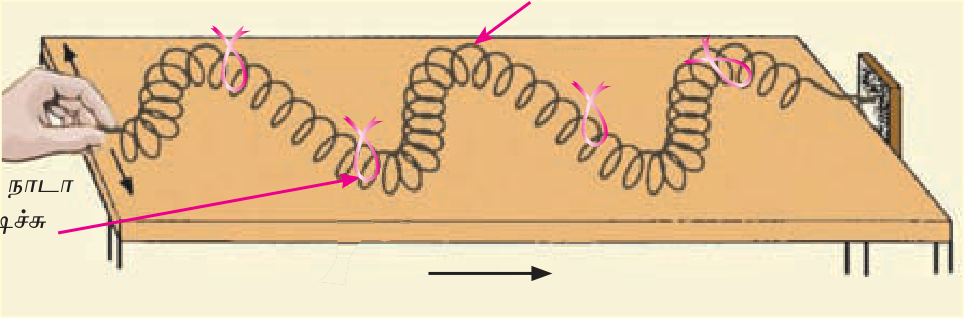
(a) குறுக்கு அலை (Transverse wave)
இதில் துணிக்கையின் அலைவுத் திசை, அலை செல்லும் திசைக்குச் செங்குத்தாக (perpendicular) இருக்கும். நீர் அலைகள், கயிற்றில் செல்லும் துடிப்பு, ஒளி (குறுக்கு வகை மின்காந்த அலை), நிலநடுக்கத்தின் S அலை ஆகியன இவ்வகையைச் சேர்ந்தவை.
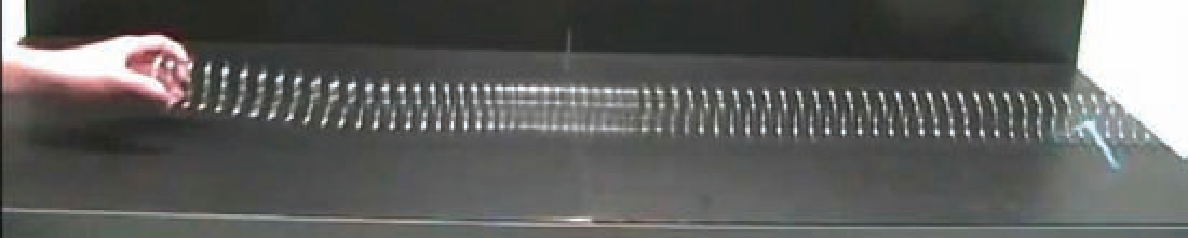
(b) நெட்டு அலை (Longitudinal wave)
இதில் துணிக்கையின் அலைவுத் திசையும் அலை செல்லும் திசையும் ஒன்றாகவே (parallel) இருக்கும். சுருளை முன்னும் பின்னும் தள்ளினால் நெருக்கங்களும் (compression) விரிவுகளும் (rarefaction) மாறி மாறிப் பரவும். ஒலியும் நிலநடுக்கத்தின் P அலையும் இவ்வாறே பரவுகின்றன.
2.2 மின்காந்த அலைகள் (Electromagnetic waves)
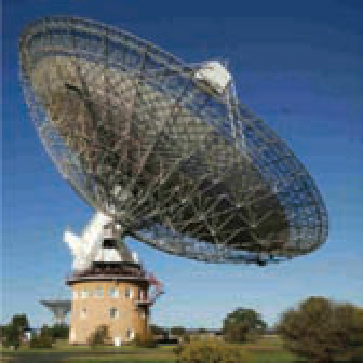
இவற்றுக்கு ஊடகம் தேவையில்லை; வெற்றிடத்திலும் இவை பரவும். சூரியனிலிருந்து ஒளி வாயுவையும் வெற்றிடத்தையும் கடந்து பூமியை அடைவதே இதற்குச் சான்று. வெற்றிடத்தில் ஒளியின் வேகம் c = 3 × 10⁸ m/s ஆகும். ஒளி, வானொலி அலை, நுண்ணலை (microwave), அகச்சிவப்புக் கதிர் (IR), புற ஊதாக் கதிர் (UV), X-கதிர், γ-கதிர் ஆகிய எல்லாமே மின்காந்த அலைகளே. இவை எல்லாவற்றுக்கும் வெற்றிடத்தில் ஒரே வேகம்; ஆனால் அலைநீளங்கள் வேறுபடும்.
3. அலை அளவீடுகள்: λ, f, T, A, v
(1) அலைநீளம் (Wavelength, λ): அலையின் இரு அடுத்தடுத்த உச்சிகளுக்கு இடையே (அல்லது இரு அடுத்தடுத்த தாழ்வுகளுக்கு இடையே) உள்ள தூரம். இதன் அலகு m. λ என்பது கிரேக்க எழுத்தான லாம்டா.
(2) வீச்சம் (Amplitude, A): சமநிலைக் கோட்டிலிருந்து உச்சி அல்லது தாழ்வுக்கு உள்ள உயர்ந்தபட்ச இடப்பெயர்ச்சி. இதன் அலகு m. சக்தி ∝ A² ஆகும். அதனால்தான் வீச்சம் அதிகமாக இருக்கும் ஒலி உரத்துக் கேட்கிறது.
(3) அதிர்வெண் (Frequency, f): ஒரு வினாடியில் ஒரு புள்ளியைக் கடந்து செல்லும் முழு அலைச் சுழற்சிகளின் எண்ணிக்கை. இதன் அலகு ஹேர்ட்ஸ் (Hz); அதாவது வினாடிக்குச் சுழற்சிகள். செவிப்புலனுக்குக் கேட்கக்கூடிய ஒலி 20 Hz – 20 kHz ஆகும்.
(4) அலைக்காலம் (Period, T): ஒரு முழுச் சுழற்சிக்கு எடுக்கும் நேரம். இதன் அலகு s. T = 1/f.
(5) வேகம் (Speed, v): அலை பரவும் வேகம். இதன் அலகு m/s.
⭐ Master equation v = f × λ. இதுவே அலைகளுக்கான முக்கிய விதி. ஒலி ஒரு ஊடகத்திலிருந்து இன்னொரு ஊடகத்துக்குச் செல்லும்போது வேகம் (v) மாறினாலும் அதிர்வெண் (f) மாறாமல் இருந்தால், அலைநீளம் (λ) மாறும். வானொலி ஒலிபரப்பில் அதிர்வெண் நிலையாக இருக்கும்.
எடுத்துக்காட்டு: ஒரு ஒலி அலையின் அதிர்வெண் 256 Hz, காற்றில் அதன் வேகம் 340 m/s. அலைநீளம் = v/f = 340/256 ≈ 1.33 m.
4. மின்காந்த நிறமாலை (Electromagnetic spectrum)
மின்காந்த அலைகள் ஒரே தொடர்ச்சியான வரிசையாக அமைந்துள்ளன. அவற்றில் கண்ணுக்குத் தெரியும் ஒளி 400-700 nm அலைநீளத்தில் உள்ளது.
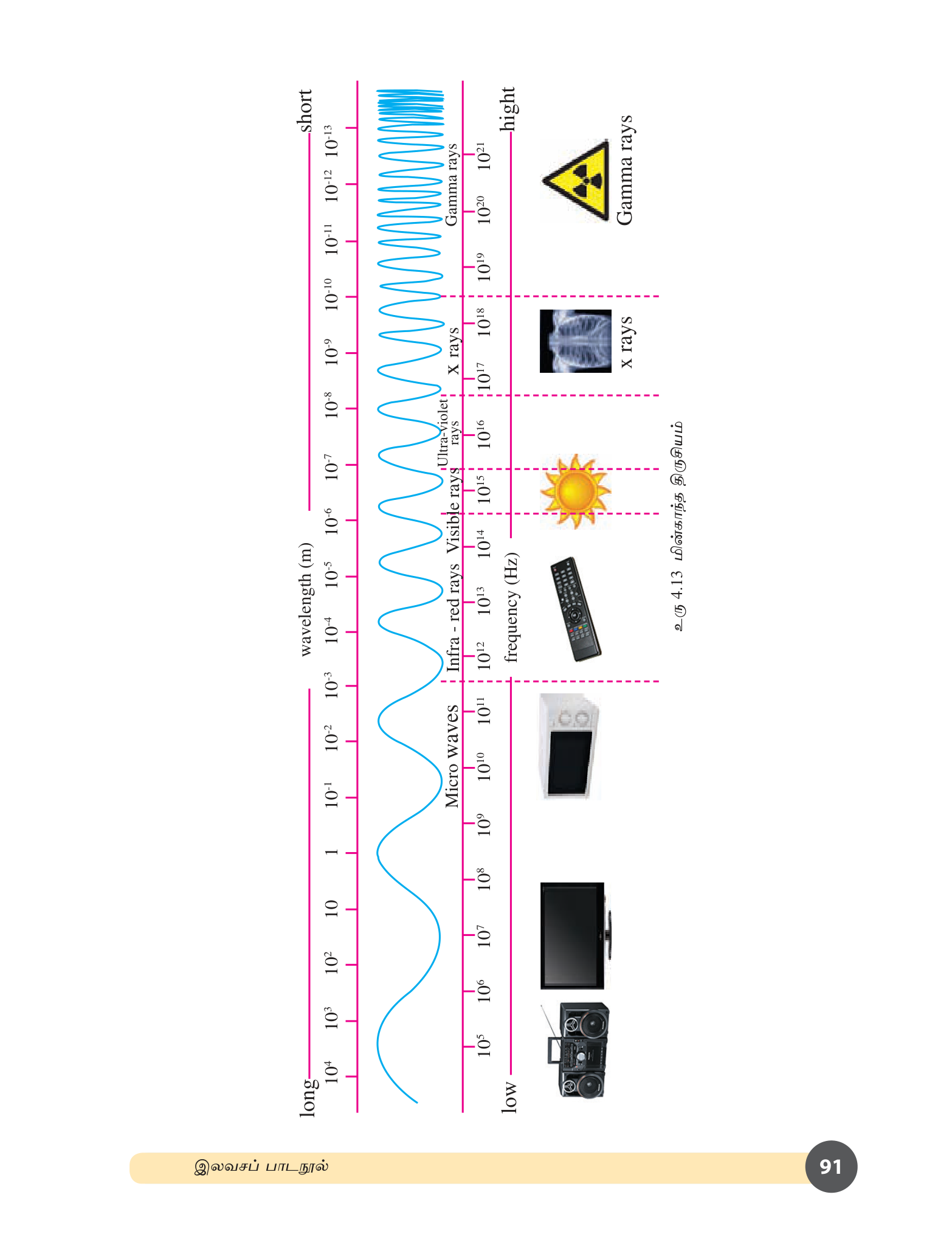
அலைநீளம் அதிகமாக இருந்தால் அதிர்வெண் குறைவு; சக்தியும் குறைவு (E = hf). அலைநீளம் குறைவாக இருந்தால் அதிர்வெண் அதிகம்; சக்தியும் அதிகம். எனவே X-கதிர், γ-கதிர் போன்ற அயனாக்கும் கதிர்வீச்சுகள் தீங்கு விளைவிக்கக்கூடியவை.
| அலை வகை | அலைநீளம் | பயன்பாடு |
|---|---|---|
| ரேடியோ அலை | 1 m – 10 km | AM/FM broadcast, TV, mobile network |
| Microwave | 1 mm – 1 m | Microwave oven, satellite, radar, Wi-Fi |
| Infrared (IR) | 700 nm – 1 mm | TV remote, thermal imaging, night vision, heater |
| Visible light | 400 – 700 nm | நாம் கண்ணால் பார்ப்பது |
| Ultraviolet (UV) | 10 – 400 nm | Sunburn, sterilizer, fluorescent lamp |
| X-ray | 0.01 – 10 nm | Medical imaging, airport security, structure analysis |
| Gamma (γ) ray | < 0.01 nm | Cancer treatment (radiotherapy), nuclear physics |
⚠ Safety புற ஊதாக் கதிர்கள் தோல் புற்றுநோயை ஏற்படுத்தலாம்; X-கதிர், γ-கதிர் ஆகியவை DNA ஐச் சேதப்படுத்தும். ஓசோன் படலம் புற ஊதாக் கதிர்களைத் தடுப்பதால்தான் ஓசோன் துளை பற்றிய கவலை எழுந்துள்ளது.
5. ஒலி (Sound): நெட்டு வகைப் பொறிமுறை அலை
ஒலி என்பது நெட்டு வகைப் பொறிமுறை அலை. இதற்கு ஊடகம் தேவை; காற்று, நீர், திண்மம் ஆகிய எதன் வழியாகவும் இது பரவும். வெற்றிடத்தில் ஒலி இல்லை.
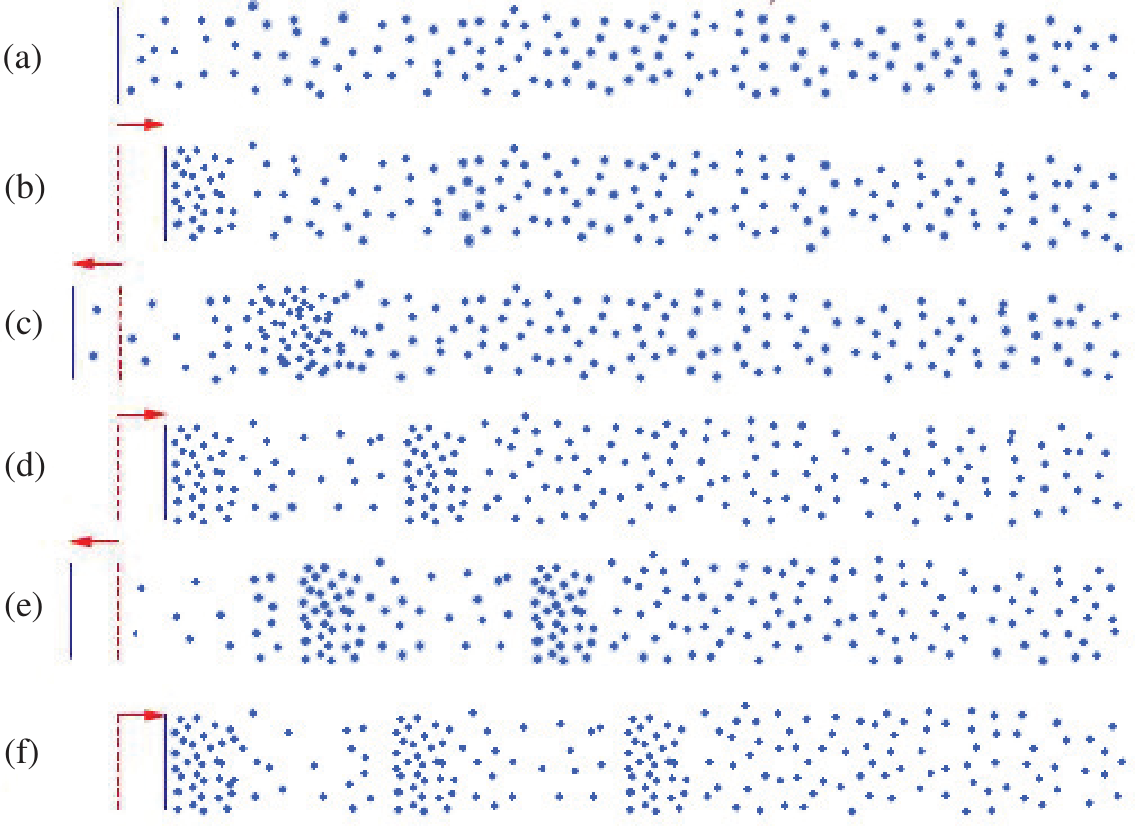
5.1 ஒலியின் வேகம்: ஊடகத்தைப் பொறுத்தது
Speed depends on medium density + elasticity:
- காற்று (20°C): ~340 m/s
- நீர்: ~1500 m/s (காற்றைவிட ஏறத்தாழ 4 மடங்கு வேகம்)
- இரும்பு: ~5000 m/s (காற்றைவிட ஏறத்தாழ 15 மடங்கு வேகம்)
திண்மம் > திரவம் > வாயு என்ற வரிசையில் ஒலியின் வேகம் குறைகிறது. இது எதிர்பாராததாகத் தோன்றலாம்; ஆனால் அடர்த்தியான ஊடகத்தில் மூலக்கூறுகள் இறுக்கமாகப் பிணைந்திருக்கும். இதனால் சக்தி விரைவாகக் கடத்தப்படுகிறது; அதாவது, energy transmission faster.
5.2 ஒலியின் பண்புகள்: 3 இயல்புகள்
- சுருதி (Pitch): இது அதிர்வெண்ணைப் பொறுத்தது. அதிர்வெண் அதிகமானால் சுருதி உயரும் (விசில், பறவையின் ஒலி).
- உரப்பு (Loudness): இது வீச்சத்தைப் பொறுத்தது. வீச்சம் அதிகமானால் ஒலி உரத்துக் கேட்கும். இதன் அலகு டெசிபல் (dB).
- தரம் (Quality / Timbre): இது அலை வடிவத்தைப் பொறுத்தது. ஒரே சுரத்தை பியானோவிலும் கிட்டாரிலும் இசைக்கும்போது ஒலி வேறுபடுகிறது; ஏனெனில் அதிர்வெண்ணும் வீச்சமும் ஒன்றாக இருந்தாலும் அலை வடிவம் வேறுபடுகிறது.
5.3 Human audible range
20 Hz – 20 kHz என்பது மனிதன் கேட்கக்கூடிய எல்லை. இதற்குக் கீழே உள்ளவை கீழொலி (infrasonic); சில விலங்குகள் உணரும் ஒலிகளும் நிலநடுக்க அலைகளும் இவற்றில் அடங்கும். இதற்கு மேலே உள்ளவை மீயொலி (ultrasonic); வௌவால்களின் எதிரொலி அறிதல் (echolocation), சோனார், மருத்துவ மீயொலி ஆகியவை இவ்வகை.
5.4 இசைக் கருவிகள்: 3 வகை
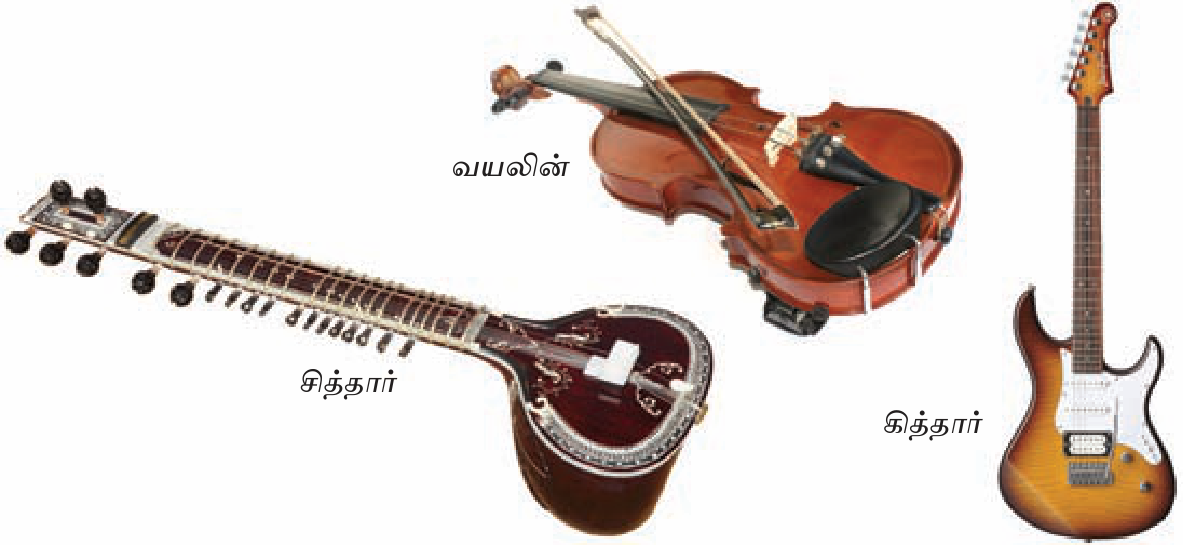
- நரம்புக் கருவிகள் (string): Guitar, violin, sitar — vibrating string.
- காற்றுக் கருவிகள் (wind): Flute, trumpet — vibrating air column.
- தாளக் கருவிகள் (percussion): Drum, tabla — vibrating membrane.
5.5 எதிரொலி (Echo)
ஒலி அலை ஒரு கடினமான பரப்பில் (கல், சுவர்) மோதித் திரும்பி வரும். கேட்பவருக்குத் திரும்பி வரும் அந்த ஒலியே எதிரொலி (echo). தெளிவான எதிரொலி கேட்க, ஒலியைத் தெறிக்கும் பரப்பு 17 m இற்கு மேல் தூரத்தில் இருக்க வேண்டும், ஏனெனில் செவியில் ஒலி தங்கும் நேரம் 0.1 s ஆகும். (persistence of hearing = 0.1s; v=340 m/s; round-trip 34 m).
6. ஒலியின் பயன்பாடுகள் (Applications)
- சோனார் (SONAR — sound navigation and ranging): கடலின் ஆழம், மீன் கூட்டம், நீர்மூழ்கிக் கப்பல் ஆகியவற்றைக் கண்டறியப் பயன்படுகிறது. வௌவாலின் எதிரொலி அறியும் திறனைத் தொழில்நுட்பமாக்கியதே இது.
- மருத்துவ மீயொலி (Medical ultrasound): கருவில் இருக்கும் சிசுவின் படத்தை எடுக்கப் பயன்படுகிறது. X-கதிரைவிடப் பாதுகாப்பானது; உடனுக்குடன் படம் கிடைக்கும்.
- Industrial: Metal welds non-destructive testing.
- Cleaning: Ultrasonic cleaner — jewelry, lab glassware.
✅ விரைவுச் சோதனை
முக்கியக் கருத்துக்களை உறுதிப்படுத்துங்கள். தவறான விடைகள் உங்கள் தவறுக் குறிப்பேட்டில் சேமிக்கப்படும்.
🖊 கட்டுரை வினாக்கள் (பகுதி II)
பரீட்சை வடிவில் கட்டமைப்பு வினாக்கள். முதலில் நீங்களே எழுதுங்கள்; பின்னர் மாதிரி விடையைத் திறந்து சரிபாருங்கள்.
(ஆ) குறுக்கு + நெட்டு அலைகளை ஒரு உதாரணத்துடன் வேறுபடுத்துக. (4)
(இ) பொறிமுறை + மின்காந்த அலை ஆகியவற்றுக்கிடையே மூன்று வேறுபாடுகள். (3) (10 புள்ளி)
விடைத் திட்டம் — சேர்க்க வேண்டிய புள்ளிகள்:
- அலை = energy transmission, no mass transmission.
- Transverse: particle ⊥ wave (string, water).
- Longitudinal: particle parallel wave (sound, P-wave).
- EM vacuum-ல் propagate, mechanical medium தேவை.
(ஆ) குறுக்கு அலை (Transverse): Particle ⊥ propagation. Water surface ripple, string vibration, EM wave. கையை மேலும் கீழும் ஆட்டினால் — string-ல் pulse left-to-right propagate.
நெட்டு அலை (Longitudinal): Particle ∥ propagation. Spring-ஐ முன்-பின் தள்ளினால் compression + rarefaction மாறி மாறி பரவும். ஒலி அலை, earthquake P-wave.
(இ) 3 வேறுபாடுகள்:
| பண்பு | பொறிமுறை | EM |
|---|---|---|
| Medium | Particles தேவை | Vacuum-ல் propagate |
| Speed | Slow (340 m/s sound) | c = 3×10⁸ m/s |
| Examples | Water, sound, spring | Light, radio, X-ray |
(ஆ) வேகம் v = fλ — இதை derive செய்து, ஒரு கணக்கீட்டில் பயன்படுத்துக. (5) (10 புள்ளி)
விடைத் திட்டம் — சேர்க்க வேண்டிய புள்ளிகள்:
- λ wavelength m; A amplitude m; f Hz; T s; v m/s.
- v = fλ derivation.
- Numerical worked example.
• அலைவளி λ (Wavelength): இரு அடுத்த உச்சிகளுக்கிடையே தூரம். அலகு: m.
• வீச்சம் A (Amplitude): சமநிலையிலிருந்து maximum displacement. அலகு: m.
• அதிர்வெண் f (Frequency): Per second cycles. அலகு: Hz.
• அலைக்காலம் T (Period): ஒரு cycle-க்கு ஆகும் நேரம். அலகு: s. T = 1/f.
• வேகம் v (Speed): அலையின் propagation speed. அலகு: m/s.
(ஆ) v = fλ derivation:
ஒரு அலையின் period T = ஒரு cycle complete ஆக ஆகும் நேரம். அந்த நேரத்தில் அலை travel செய்த தூரம் = ஒரு wavelength λ.
ஆகவே: v = distance ÷ time = λ ÷ T. T = 1/f என்பதால்:
v = λ × f ✓
Worked example: ஒரு ஒலி அலையின் f = 256 Hz (middle C), காற்றில் v = 343 m/s.
λ = v/f = 343/256 = 1.34 m.
FM Radio @ 90 MHz: λ = (3×10⁸)/(9×10⁷) = 3.33 m. அதனாலேயே FM antenna ~3m or quarter-wavelength dimensions.
விடைத் திட்டம் — சேர்க்க வேண்டிய புள்ளிகள்:
- Radio, microwave, IR, visible, UV, X-ray, γ-ray.
- Wavelength decrease left to right.
- Use cases.
- Safety concerns.
| பகுதி | λ Range | முக்கிய பயன் | ஆபத்து |
|---|---|---|---|
| Radio | km to 1m | AM/FM broadcast, TV, mobile | Minimal (non-ionising) |
| Microwave | 1m to 1mm | Oven, satellite, radar, Wi-Fi | Heating from prolonged exposure |
| Infrared | 1mm to 700 nm | TV remote, thermal imaging, fiber optics | Eye damage from intense IR |
| Visible | 700-400 nm | கண்ணால் பார்த்தல், photography | Generally safe |
| Ultraviolet | 400-10 nm | Sterilisation, sunbed, fluorescent | Skin cancer, sunburn, cataract |
| X-ray | 10-0.01 nm | Medical imaging, airport security, crystallography | DNA damage, cancer risk |
| Gamma | <0.01 nm | Cancer radiotherapy, nuclear physics | Ionising — severe cell damage |
Energy trend: Radio (low E, harmless) → γ-ray (high E, ionising). E = hf — higher f → higher energy → more biological damage.
Speed: All EM waves vacuum-ல் c = 3×10⁸ m/s. Same speed regardless of frequency.
Atmosphere protection: Ozone layer UV-B block; magnetosphere cosmic γ-rays deflect. மனிதம் natural EM environment-ல் evolved — modern artificial EM exposure (mobile, Wi-Fi) safety thresholds research ongoing.
விடைத் திட்டம் — சேர்க்க வேண்டிய புள்ளிகள்:
- Compression + rarefaction alternating.
- Pitch=f; Loudness=A; Quality=waveform.
- Sound speed: solid > liquid > gas due to molecular coupling.
(ஆ) 3 sound qualities:
• Pitch (உச்சவீடு): Frequency-dependent. அதிக f → high pitch (bird whistle). குறை f → low pitch (bass).
• Loudness (உரத்தம்): Amplitude-dependent. அதிக A → loud. Decibel (dB) logarithmic scale. 60dB normal speech, 120dB pain threshold.
• Quality / Timbre (தரம்): Waveform shape-dependent. அதே note (same f, A) பியானோ vs கிட்டார் வேறு sound — harmonic content + envelope வேறு. நாம் voices recognise செய்வது இதனால்.
(இ) Speed comparison:
• காற்று (20°C): 340 m/s
• நீர்: 1500 m/s (4× faster)
• இரும்பு: 5000 m/s (15× faster)
காரணம்: Sound propagation = molecules push neighbours. Dense + tightly-coupled (solid) molecules transmit fast. Loose gas molecules slow.
Generally: solid > liquid > gas.
Implication: Earthquake P-waves rocks-ஊடாக very fast travel — first arrival distant seismograph. Whales communicate over hundreds of km in water. Train approaching — rail-ல் ear-ஐ வைத்தால் hum sound (5000 m/s) air sound (340 m/s) விட earlier கேட்கும்.
விடைத் திட்டம் — சேர்க்க வேண்டிய புள்ளிகள்:
- SONAR: emit pulse, time echo, distance.
- Ultrasound: high-f safe imaging.
- Cleaning: cavitation.
- NDT: defect detection.
Principle: Ship-இலிருந்து high-f sound pulse கடலுக்குள் emit; sea bottom / submarine / fish school தாக்கி echo. Time delay × v(water) ÷ 2 = distance.
Use: கடல் ஆழம் mapping; submarine warfare; commercial fishing trawler.
(2) Medical Ultrasound:
Principle: 1-10 MHz frequency probe — skin surface-ல் pulse transmit, tissue interfaces (organ boundaries) reflect. Echo time → depth, intensity → tissue type. Computer reconstruct 2D/3D image.
Use: கருவில் சிசு (foetal ultrasound) — X-ray விட safe (non-ionising). Cardiac echo, gallstones, kidney stones imaging.
Advantage: Real-time, portable, no radiation.
(3) Ultrasonic Cleaning:
Principle: 20-40 kHz transducer cleaning bath solution-ஐ ultrasonically vibrate → microscopic cavitation bubbles → bubbles dirt particles violent-ஆக remove.
Use: Jewellery cleaning, lab glassware, surgical instruments, watch parts. Effective even in corners/crevices physical brushing unreachable.
(4) Industrial NDT (Non-Destructive Testing):
Principle: Ultrasonic pulse metal/concrete-ஊடாக transmit. Defects (cracks, voids, inclusions) reflect partial signal. Pulse-echo time + amplitude analysis → flaw map.
Use: Railway track inspection (broken rail detection); aircraft wing weld testing; pipeline inspection. Avoids destroying sample.
(5) Bonus — Animal echolocation:
Bats ultrasonic chirps emit (40-100 kHz), echoes process to navigate + catch insects in dark. Dolphins similar — sonar evolved 50M years before human invention!
விடைத் திட்டம் — சேர்க்க வேண்டிய புள்ளிகள்:
- EM transverse, no medium, c, examples.
- Sound longitudinal, medium needed, slow, examples.
- Vacuum sound impossible.
- Astronaut radio (EM) communication.
| பண்பு | EM அலை | ஒலி அலை |
|---|---|---|
| Type | Electromagnetic (E + B fields) | Mechanical (pressure wave) |
| Medium | Vacuum-ல் propagate | Medium தேவை (air, water, solid) |
| Speed | c = 3 × 10⁸ m/s (constant in vacuum) | Medium-dependent: 340 m/s air, 1500 m/s water, 5000 m/s steel |
| Direction | Transverse (E ⊥ B ⊥ propagation) | Longitudinal (compression/rarefaction along propagation) |
| Examples | Light, radio, microwave, X-ray, γ-ray | Speech, music, thunder, P-waves |
Sound in vacuum impossible — sound requires molecules to push each other. Vacuum = no molecules = no propagation. "In space, no one can hear you scream." (Alien 1979 tagline — physically correct!)
Astronaut communication on the Moon:
Apollo 11 moon landing (1969) — Neil Armstrong + Buzz Aldrin space suits-ல். The Moon வெளியில் atmosphere நிலவில்லை (technically a very thin exosphere, effectively vacuum). Direct voice communication impossible because:
• Sound waves moon surface-ல் propagate ஆகாது
• Visor + suit isolate astronaut from any sound
Solution = Radio communication:
• Spacesuit helmets-ல் radio transmitter + receiver embedded.
• Voice → microphone → AM radio signal → EM wave → other astronaut\'s antenna → speaker → ear.
• EM waves travel through vacuum at c.
• Lunar Module → Houston Mission Control communication: 1.3-second one-way delay (moon-Earth ≈ 384,000 km).
Same principle — submarines underwater communicate by ELF (extremely low frequency) EM waves which penetrate seawater; deep mines use mid-frequency radio. EM advantage = no medium needed.
விடைத் திட்டம் — சேர்க்க வேண்டிய புள்ளிகள்:
- Echo = reflected sound after persistence.
- 17 m derivation.
- Bat echolocation.
- SONAR depth/distance.
- Reverberation = many overlapping reflections.
Minimum distance calculation:
• ஒலியின் வேகம் காற்றில் v = 340 m/s.
• மனிதனின் ear persistence of hearing t = 0.1 s.
• Echo distinct-ஆக கேட்க — round-trip time > 0.1 s.
• Round-trip distance = v × t = 340 × 0.1 = 34 m.
• One-way distance = 34 ÷ 2 = 17 m.
முடிவு: Reflecting surface (சுவர், கல்) 17 m-க்கு மேல் இருந்தால் தான் distinct echo. அதற்கு அருகில் இருந்தால் original + reflected overlap → no separate echo.
(ஆ) Practical applications:
(1) Bat Echolocation: Bats ultrasonic chirps (40-100 kHz) emit; insect / wall-இலிருந்து echo → 3D mental map. முழு darkness-ல் navigation + prey-catching.
(2) SONAR — கடல் ஆழம் / submarine detection: Ship transducer sound pulse emit. Bottom-இலிருந்து echo time t measure. Depth = v(water) × t ÷ 2 = 1500 × t ÷ 2. நீர் ஆழம் 750t meters.
(3) Cave depth measurement: Cave bottom-ல் ஒலி emit; reflected sound surface-ல் microphone catch; time × 340 ÷ 2 = depth. Geological surveying classic technique.
(4) Distance measurement: Tape measure-க்கு alternative — ultrasonic distance sensor in parking sensors, robot navigation.
(இ) Echo VS Reverberation:
• Echo: Single distinct reflected sound, time gap > 0.1s, listener separate-ஆக perceive செய்கின்றார். 17m-க்கு மேல் reflecting surface தேவை.
• Reverberation: Multiple overlapping reflections (room walls, floor, ceiling) — continuous decay-ஆக கேட்கின்றது. Small rooms (acoustic-ஆக engineered), concert halls reverberation control. Echo = discrete; reverberation = blurred persistence.
🔥 மீட்டல் மையம்
பரீட்சைக்கு முன் இறுதி ஒரு நிமிடம் — மறக்கக்கூடாதவை மட்டும்.
- அலை: Energy transmission with NO mass transmission.
- 2 main types: Mechanical (medium தேவை) + EM (vacuum-ல் propagate).
- Sub-types: Transverse (particle ⊥ wave) + Longitudinal (parallel, compression/rarefaction).
- 5 parameters: λ wavelength m, A amplitude m, f frequency Hz, T period s, v speed m/s.
- Master equation: v = f × λ. T = 1/f. E ∝ A².
- EM speed in vacuum: c = 3 × 10⁸ m/s (constant for all EM types).
- Sound: Longitudinal mechanical. Speed: air 340, water 1500, iron 5000 m/s.
- Audible: 20 Hz - 20 kHz. Below = infrasonic. Above = ultrasonic.
- 3 sound qualities: Pitch (f), Loudness (A), Quality (waveform).
- EM spectrum: Radio → Microwave → IR → Visible (400-700nm) → UV → X-ray → γ-ray.
- Apps: SONAR, ultrasound imaging, microwave oven (water dipole), X-ray, FM radio.
- Echo: Reflecting wall > 17 m for distinct echo.
- ⚠ Vacuum-ல் sound இல்லை. Astronauts radio (EM) use.
அலகின் முதுகெலும்பு — கருத்துக்களும் தொடர்புகளும்.
- 1. Wave nature: ஒரு point disturbance → energy propagation. Particles oscillate locally, energy travels far.
- 2. Transverse: Particle motion ⊥ propagation. Examples: water surface, vibrating string, EM waves.
- 3. Longitudinal: Particle motion ∥ propagation. Compressions + rarefactions alternate. Examples: sound, P-waves.
- 4. Mechanical waves: Particles needed. Cannot travel through vacuum. Water, sound, spring waves.
- 5. EM waves: Self-propagating E + B fields. Travel through vacuum. All speed c = 3×10⁸ m/s. Light, radio, X-ray, etc.
- 6. Parameters: λ (m, peak-to-peak distance); A (m, max displacement from equilibrium); f (Hz, cycles/s); T (s, time per cycle, =1/f); v (m/s).
- 7. Master eqn: v = fλ. Speed depends on medium. f source-set. λ = v/f.
- 8. Energy: E ∝ A². Loud sound, bright light = high amplitude.
- 9. EM spectrum (low to high f): Radio (km-1m) → Microwave (1m-1mm) → IR (1mm-700nm) → Visible (400-700nm VIBGYOR) → UV (10-400nm) → X-ray (10-0.01nm) → γ-ray (<0.01nm).
- 10. EM uses: Radio = broadcast. Microwave = oven (water dipole rotation), Wi-Fi. IR = TV remote, thermal. Visible = sight. UV = sterilization, sunburn cause. X-ray = bone imaging. γ-ray = cancer radiotherapy.
- 11. EM safety: Ozone blocks UV-B. X-ray + γ-ray ionising → DNA damage. Radio + microwave non-ionising (mostly safe).
- 12. Sound nature: Longitudinal mechanical pressure wave. Compressions (high-pressure) + rarefactions (low-pressure) alternate.
- 13. Sound speed: Medium-dependent. v(solid) > v(liquid) > v(gas). Counter-intuitive: dense ≠ slow!
- 14. Sound qualities: Pitch (f-dependent, voice high/low), Loudness (A-dependent, dB scale), Quality/Timbre (waveform shape — piano vs guitar same note).
- 15. Hearing range: 20 Hz - 20 kHz human. Below = infrasonic (elephant, whale). Above = ultrasonic (bat 100 kHz, dolphin, dog whistle).
- 16. Echo: Reflected sound after ear persistence (0.1 s). Min surface distance = v × t / 2 = 17 m. Below = reverberation.
- 17. Music: 3 instrument categories — String (guitar, violin, sitar), Wind (flute, trumpet), Percussion (drum, tabla).
- 18. Sound applications: SONAR (depth, submarines, fish), Medical ultrasound (foetal imaging, safer than X-ray), Ultrasonic cleaning (cavitation), Industrial NDT (defect detection).
பரீட்சைக்கு முந்தின இரவு முழு அலகையும் ஓட்டிப் பார்.
- Wave = energy carrier, NOT mass carrier. Particles oscillate; energy travels.
- 2 fundamental classifications: (1) Mechanical (medium needed) vs EM (vacuum OK). (2) Transverse (particle ⊥ wave) vs Longitudinal (particle ∥ wave).
- Sound = mechanical + longitudinal. Light = EM + transverse.
- v = fλ (master equation). T = 1/f. E ∝ A².
- EM spectrum order (memorize!): Radio → Micro → IR → Visible → UV → X-ray → γ-ray. All speed c = 3×10⁸ m/s in vacuum.
- Visible light: 400 nm (violet) to 700 nm (red). VIBGYOR order.
- Sound speed: Air ≈ 340 m/s, Water ≈ 1500 m/s, Steel ≈ 5000 m/s. Solid > Liquid > Gas.
- Hearing: 20 Hz to 20 kHz. Below = infrasonic. Above = ultrasonic.
- Sound qualities: Pitch (f), Loudness (A), Quality (waveform). Same note piano vs guitar = same f, same A, different timbre.
- Echo min distance = 17 m (= v × persistence / 2).
- EM uses: Radio—broadcast, Micro—oven/Wi-Fi, IR—TV remote/thermal, Visible—sight, UV—sterilization, X-ray—medical imaging, γ-ray—cancer treatment.
- SONAR: Sound Navigation And Ranging. Submarine, fish, depth detection via echo timing.
- Ultrasound (1-10 MHz): Foetal imaging, medical diagnosis (no ionising radiation).
- ⚠ Vacuum-ல் sound impossible. Outer space silent. Astronauts radio (EM) for talking.
- ⚠ EM safety: Higher frequency → more energy → ionising. UV-B → skin cancer. X-ray + γ-ray strictly controlled.
- ⭐ Lightning-thunder gap rule: 1 second delay ≈ 340 m distance. Multiply seconds × 1/3 = km.
- 📋 Glossary: அலை = wave; அலைவளி = wavelength; அதிர்வெண் = frequency; வீச்சம் = amplitude; அலைக்காலம் = period; குறுக்கு அலை = transverse; நெட்டு அலை = longitudinal; எதிரொலி = echo; ஒலி = sound; உச்சவீடு = pitch; உரத்தம் = loudness; தரம் = quality/timbre.